How to use our Stainless Steel Fish Weight
A simple 6-step guide to crispy fish skin
Crispy fish skin starts with good contact between the fillet and the cooking surface. Our round brushed stainless steel fish weight uses its own mass to help keep fish flat while you cook salmon, sea bass, or other skin-on fillets.
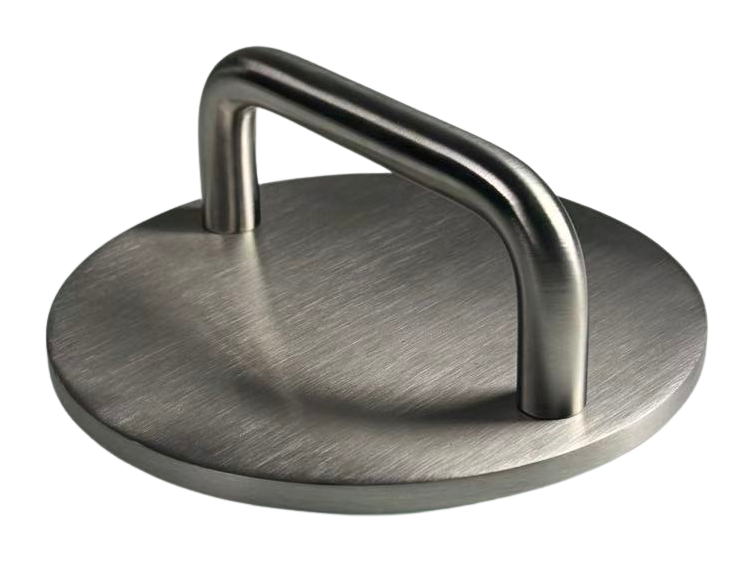
How to use it: 6 simple steps
These six steps demonstrate a typical pan-searing method. Adjust heat and cooking time to suit the fish thickness, pan, and recipe.
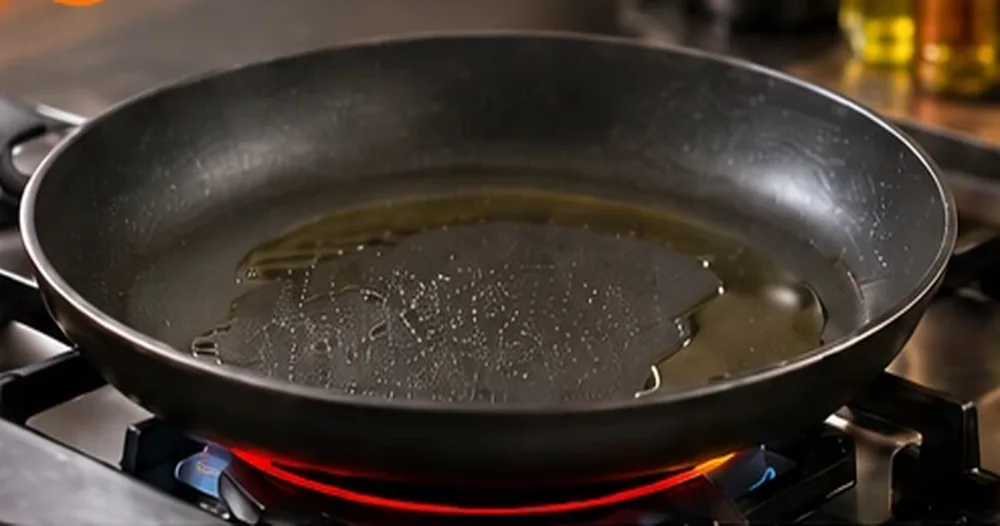
Preheat the pan
Heat a skillet or griddle over medium heat. Add a thin layer of cooking oil or ghee and let the cooking surface warm evenly without overheating.
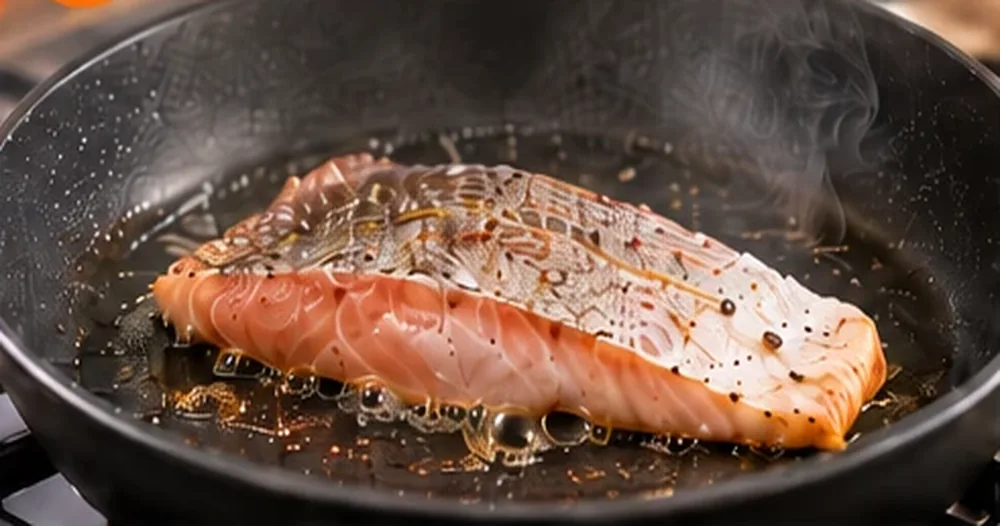
Place the fish skin-side down
Pat the skin dry with a paper towel and season as desired. Carefully lay the fillet skin-side down in the hot pan so the skin can make good contact with the surface.
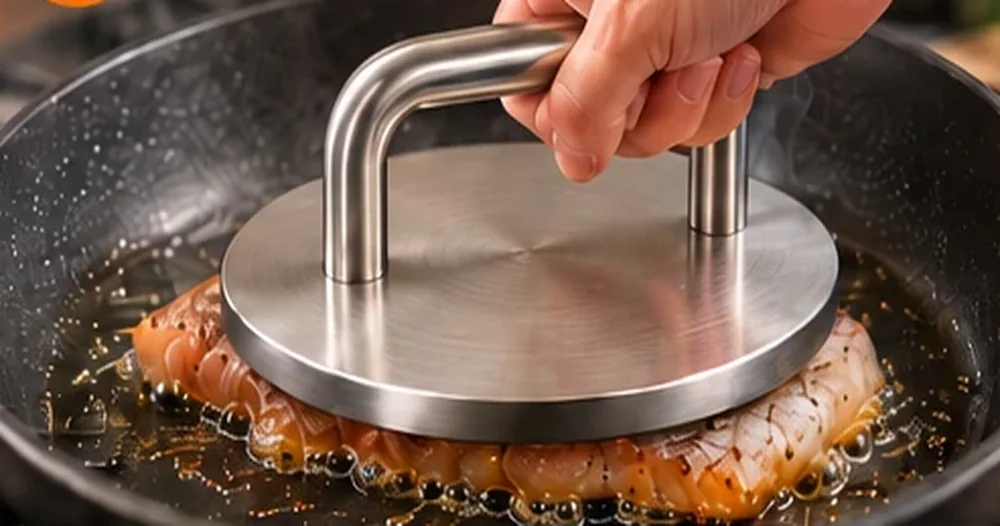
Position the fish weight
Gently place our fish weight on top of the fillet, especially over the thicker section that may curl. Let the weight do the work—no forceful pressing is needed.
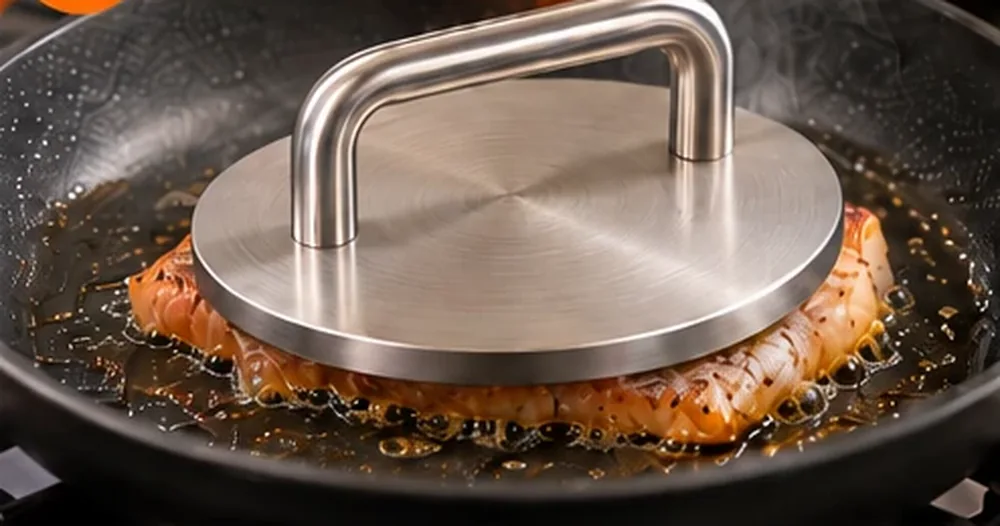
Cook at steady heat
Continue cooking over medium to medium-high heat, adjusting the temperature to prevent burning. Keep the weight stable during the initial sear and avoid dragging it across the fillet.
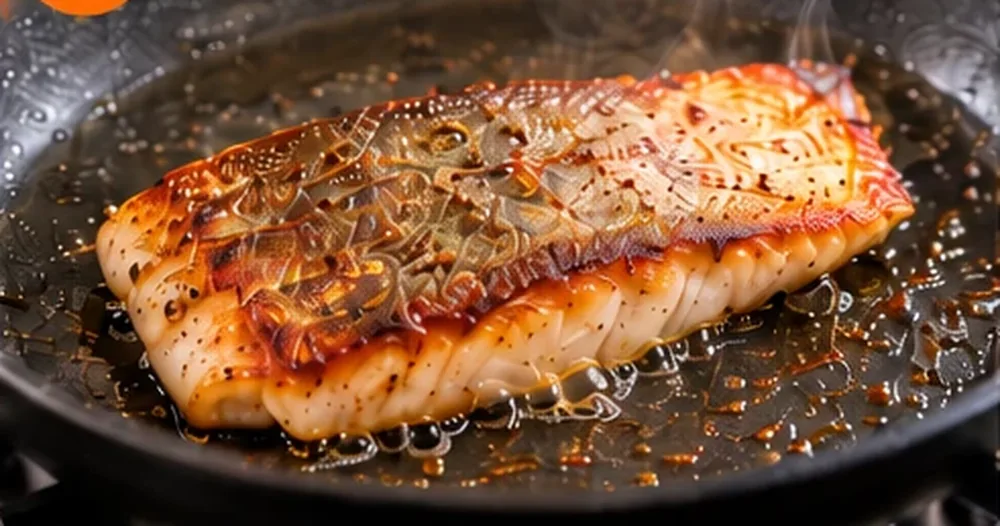
Remove and check doneness
Carefully lift the hot weight using heat-resistant protection. Continue cooking as needed, turning the fish if appropriate, and use a food thermometer to check safe doneness.
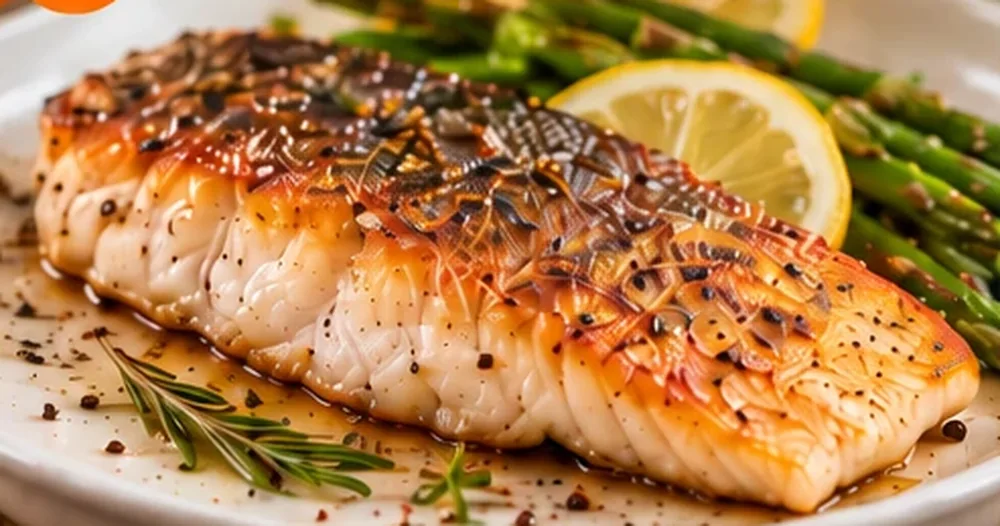
Rest and serve
Transfer the fish to a plate and allow it to rest briefly. Finish with sea salt, black pepper, lemon, or a little olive oil and enjoy while the skin is crisp.
Why use a stainless steel fish weight?
Fish skin can curl when exposed to heat, leaving some areas above the pan. A fish weight uses gentle, even pressure to help keep the skin in contact with the hot surface, encouraging a more consistent golden sear. It is not intended to flatten the fish or require constant hand pressure.
Helpful cooking and safety tips
- Dry the skin first. Less surface moisture helps the skin crisp.
- Maintain steady heat. An overheated pan may brown the outside too quickly.
- Let the weight do the work. Excessive pressure can damage delicate fish.
- Protect your hands. The metal weight becomes very hot during cooking.
- Wash after cooling. Use warm water and mild dish soap, rinse, and dry; avoid harsh abrasives.
Frequently asked questions
Do I need to preheat the fish weight?
Usually not. Place the room-temperature weight on the fillet once it is in the hot pan. The weight will heat up during cooking, so take care when removing it.
Should I press down hard?
No. The weight itself generally provides the contact pressure needed. Forcing it down may damage delicate fish.
Can I use it for foods other than fish?
Yes. The same principle can be useful for steaks, burger patties, bacon, and other foods that benefit from contact with a flat cooking surface.
How do I clean and care for it?
Allow the weight to cool fully. Wash with warm water and mild detergent, rinse, and dry thoroughly. Avoid abrasive cleaners that could scratch the brushed finish.
Better pan contact. More consistent browning. Beautifully crispy skin.